
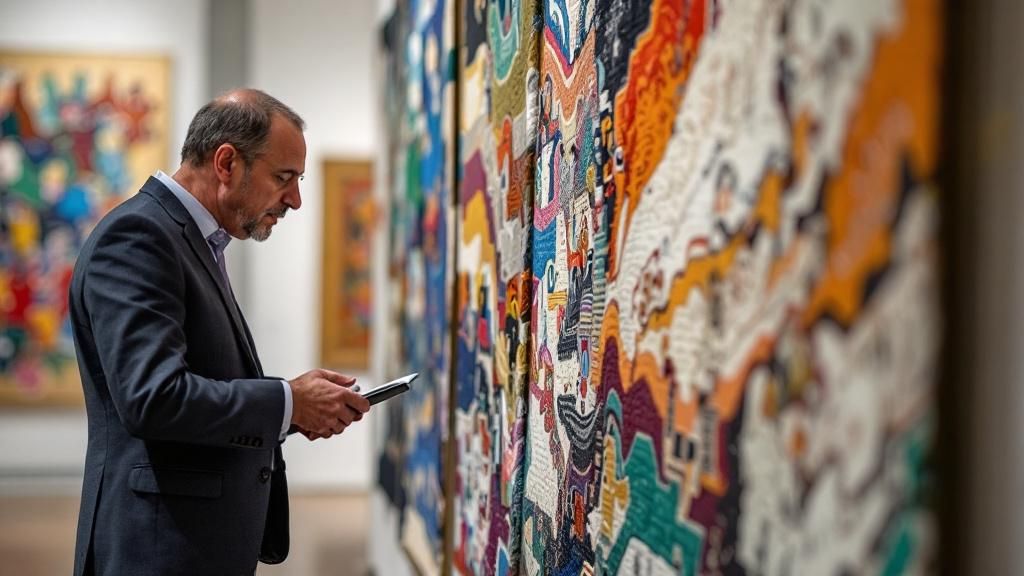
The British Museum has unveiled an far-reaching programme dedicated to protecting current textile art traditions before they disappear into history. This significant initiative recognises the pressing requirement to document and preserve the detailed workmanship of modern weavers, embroiderers, and textile artists across the globe. By blending traditional techniques with modern conservation techniques, the museum intends to create a detailed repository that recognises the cultural importance of textile traditions whilst ensuring these invaluable skills continue to be available for coming generations.
The Museum’s Dedication to Textile Heritage
The British Museum’s commitment to textile preservation goes far beyond simple archival documentation. This programme demonstrates a fundamental dedication to recognising textile arts as a essential artistic expression deserving of institutional support and academic attention. By creating dedicated conservation laboratories and employing specialist craftspeople, the museum acknowledges that modern textile traditions reflect centuries of gathered knowledge and cultural identity. The programme emphasises active collaboration with practising artists, ensuring that living traditions are documented authentically and respectfully.
Central to this commitment is the museum’s recognition that textile heritage faces unprecedented challenges in an increasingly digital world. Traditional learning structures are diminishing, and many local textile crafts risk disappearance within a single era. Through this initiative, the British Museum establishes itself as a guardian of these priceless cultural resources, engaging jointly with craftspeople, local groups, and global collaborators. The programme develops a enduring structure for skill sharing, ensuring that contemporary fabric-making crafts prosper and inspire future creators.
Grasping Contemporary Fabric Practices
Contemporary textile methods represent a dynamic fusion of heritage craftsmanship and modern creative output. These traditions encompass diverse techniques ranging from hand-weaving and organic colour techniques to innovative digital textile design. The British Museum’s programme recognises that contemporary textile artists are not merely preserving historical methods; rather, they are actively evolving these approaches to capture contemporary artistic values, cultural perspectives, and environmental concerns. Understanding these evolving practices is vital for grasping the full range of textile arts in the 21st century.
Classic Approaches in Current Settings
Time-honoured fabric arts such as hand-loom weaving, batik printing, and embroidery continue to flourish within contemporary artistic circles. Contemporary artists have creatively reimagined these traditional practices to engage with current artistic ambitions and cultural issues. The safeguarding of traditional methods guarantees centuries of accumulated knowledge stays relevant and available. By documenting contemporary applications of time-honoured practices, the British Museum shows how heritage craftsmanship continues to be highly pertinent to contemporary creators and viewers.
The combination of ancestral methods within current approaches produces noteworthy opportunities for creative conversation and artistic innovation. Artists increasingly merge heritage techniques with exploratory techniques, generating textiles that celebrate their cultural roots whilst extending creative boundaries. This fusion is particularly valuable in places where textile traditions constitute essential elements of cultural expression. The museum’s initiative actively promotes these blended methods, identifying them as valid and essential expressions of contemporary textile artistry.
Assisting Craftspeople Communities
The preservation initiative places significant emphasis on helping traditional craftspeople who sustain and evolve textile traditions. These communities often experience economic hardship, restricted market opportunities, and inadequate acknowledgement for their exceptional skills. The British Museum’s programme creates opportunities for artisans to present their pieces, enables information sharing, and captures their techniques comprehensively. By raising the profile of textile artisans internationally, the initiative helps secure lasting income for craftspeople dedicated to maintaining these precious heritage practices.
Collaborative partnerships between the museum and craft practitioners form the cornerstone of this collaborative framework. These relationships centre on true depiction and balanced resource allocation, guaranteeing that communities preserve autonomy over their cultural heritage. The initiative delivers funding for technique sharing, helping younger generations learn traditional techniques from established experts. Through mentorship programmes and collaborative sessions, the British Museum works towards reinforcing practitioner connections and sustaining tradition through generational learning within fabric craftsmanship.
Programme Outcomes and Future Impact
The initiative is projected to deliver meaningful impact within its first five years of operation. The museum intends to develop a online repository featuring in excess of 10,000 textile pieces, alongside thorough documentation of production techniques employed by contemporary artisans. Additionally, the programme will foster collaborative relationships with textile communities worldwide, promoting knowledge sharing and assisting craftspeople through long-term financial support. These comprehensive efforts will establish an essential reference for academics, educators, and specialists aiming to comprehend and appreciate contemporary textile art traditions.
Looking ahead, the British Museum envisions this programme as a catalyst for expanded cultural safeguarding efforts across the cultural industries. By establishing proven methodologies for capturing traditional craft traditions, the initiative will set industry standards standards applicable to additional creative disciplines. The museum is steadfastly committed to guaranteeing contemporary textile arts receive parity to traditional visual arts, thereby enhancing their cultural status. Furthermore, scheduled exhibitions and learning activities will engage diverse audiences, inspiring renewed interest in fabric arts amongst younger generations and safeguarding these remarkable traditions for future generations.
